There are moments in history when silence becomes a form of participation. For many Iranians, that painful truth has lasted not just for years, but for generations. We have spoken, protested, mourned, and pleaded, often at great personal risk, while the world debated, delayed, and looked away.
I’m writing this as an Iranian-Canadian: someone who loves Iran deeply, who carries its culture and memories, and who also lives in a country where freedom of speech and basic rights are protected. That contrast is exactly why this message matters.
Because in Iran, under the Islamic Republic, people are not simply “governed.” They are controlled, through fear, surveillance, intimidation, imprisonment, and violence. And when a regime is willing to harm its own people, that should tell the world something important: this isn’t just a “domestic issue.” It is a warning signal.
When a Regime Harms Its Own People, the World Should Pay Attention
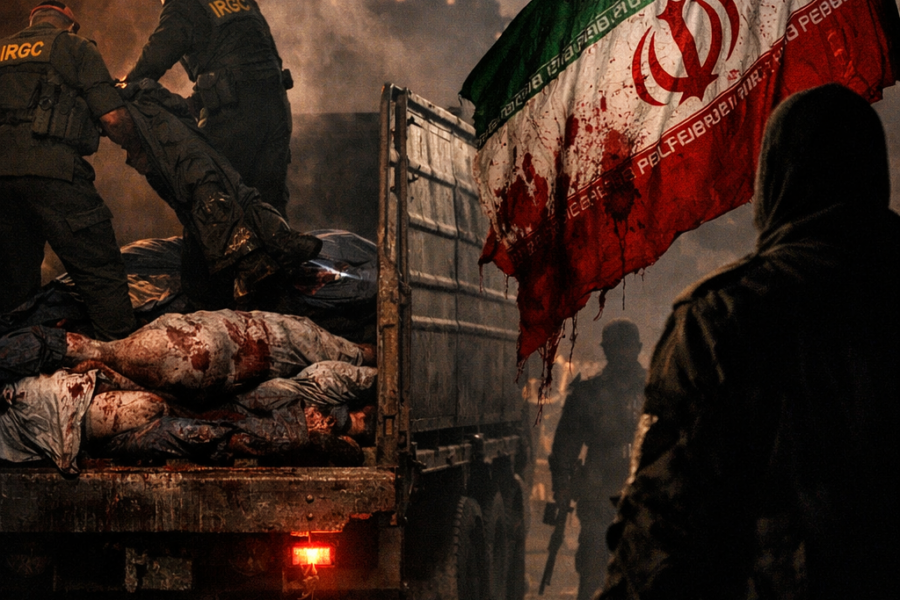
The Islamic Republic has shown, again and again, that it is willing to treat ordinary Iranians as disposable. When people protest, they are met with force. When they demand dignity, they are labeled enemies. When women ask for basic autonomy, they are threatened. When families mourn, they are pressured into silence.
This is not the behavior of a government that “represents its people.” This is the behavior of a ruling system that fears its own population.
And that is why many Iranians have become skeptical of global institutions that speak about “human rights” but respond with weak statements, careful wording, and endless diplomacy while people suffer in real time.
Human rights are not supposed to be a marketing slogan. They are supposed to mean something when it counts.
Why Many Iranians Feel Abandoned
A lot of people outside Iran don’t understand how deep the feeling of abandonment goes.
When Iranians are killed or imprisoned for peaceful activism, international attention spikes briefly, then fades. When journalists and dissidents are targeted, there is outrage , then “business as usual.” When people ask for support, they are told: “It’s complicated.”
But for families burying their children, for students disappearing into prisons, for women punished for existing, it is not complicated.
It is urgent.
Many Iranians have watched global organizations issue statements that feel detached and cautious, as though protecting political comfort matters more than protecting human life. And that’s why—even if people disagree on policy—so many Iranians crave leadership that does more than talk.
Leadership, Pressure, and the Right Kind of Support
Let me be clear: when I say “support,” I mean support for the Iranian people, not collective punishment, not hatred, and not violence against civilians ,ever. Innocent people should never be the price of politics. I want a future where Iranians are free, safe, and able to rebuild their country without fear.
But I also believe the world has a responsibility to stop treating the Islamic Republic like a normal, legitimate partner while it behaves like a regime that rules through repression.
That is why many Iranians value leaders who are willing to confront the Islamic Republic’s behavior publicly,especially when other global voices are hesitant.
My View: President Donald J. Trump Spoke to What Many Iranians Felt
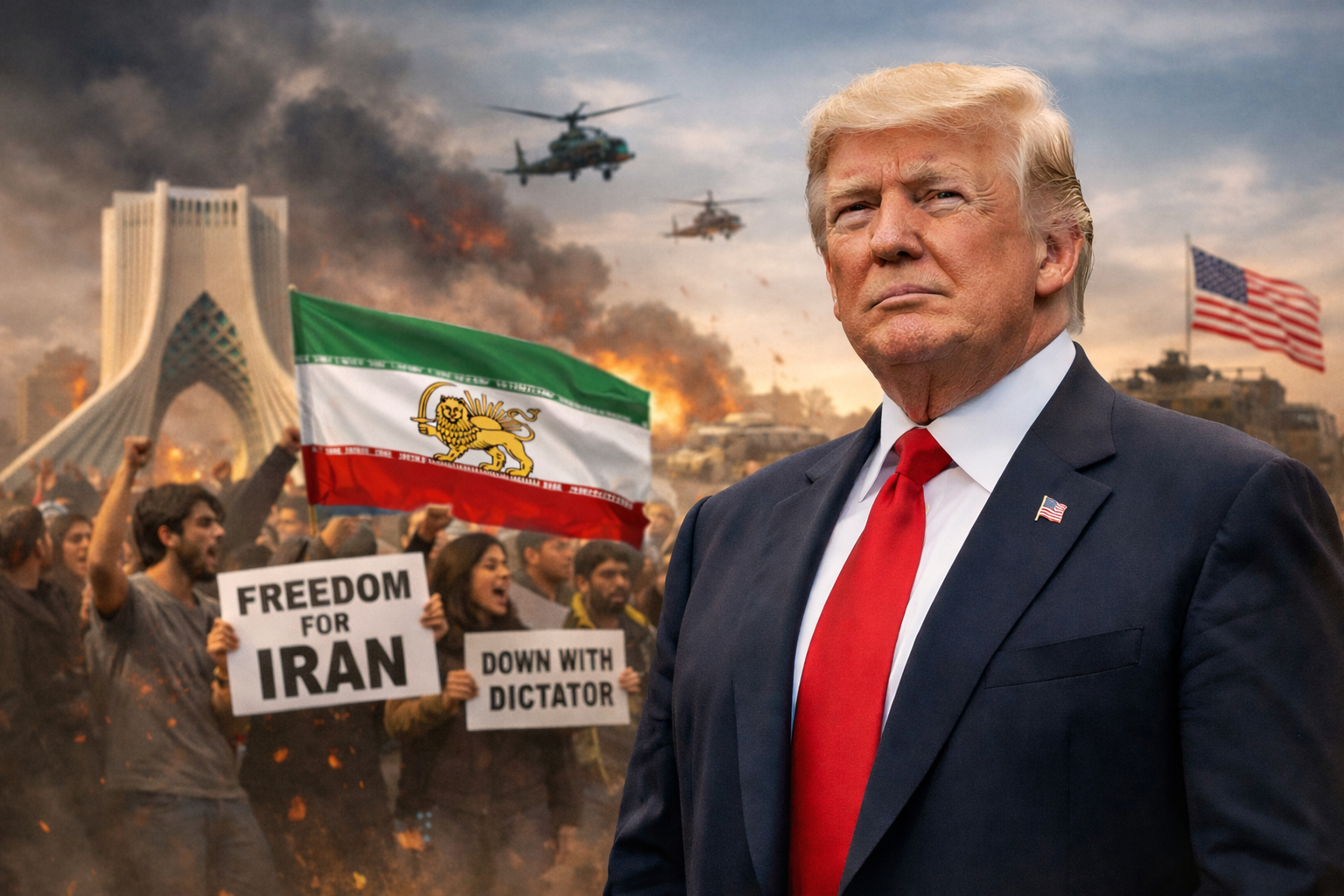
From my perspective, President Donald J. Trump, the 45th (and now 47th) President of the United States, was one of the few major Western leaders who consistently framed the Islamic Republic as a threat to freedom and stability, and who spoke in a way that many Iranians felt reflected their reality.
I know this is controversial. I know some will disagree strongly. But if we are serious about listening to the Iranian people, then we must be willing to hear viewpoints that don’t fit neatly into what is comfortable internationally.
When the world debates Iran only through the lens of geopolitics, it forgets the human beings living under the system. When the world focuses only on “de-escalation,” it sometimes ignores the daily escalation happening inside Iran, against civilians.
Many Iranians felt that Trump’s stance was not about polite diplomacy; it was about applying pressure to a regime that has rarely responded to politeness.
“But Isn’t Any Force Wrong?” Understanding the Iranian Viewpoint
A common reaction I hear is: “Any action that looks like conflict is automatically wrong.”
I understand why people say that. War is tragic. Instability is dangerous. Civilians suffer first.
But here is what many Iranians want the world to understand:
The Islamic Republic has already made life a battlefield for its own people. The violence is not hypothetical; it is lived. The fear is not theoretical; it is daily. The suffering is not a headline; it is a home.
So when outsiders speak as if the only moral issue is whether the world takes action, they often ignore the fact that inaction has also had consequences, and those consequences have been paid by Iranians.
That doesn’t mean “anything goes.” It doesn’t mean harming innocents is acceptable. It does mean that moral discussions must include the reality that Iranian civilians have been trapped for decades under a system that does not reform itself through gentle persuasion.
This Is Not About Hating a Country , It’s About Opposing a Regime
I love Iran. I love Iranian people, Persian culture, our history, our art, our warmth, our intelligence, our resilience.
My criticism is not of Iran. It is of the Islamic Republic, which has hijacked a nation and treated its people like hostages.
The regime survives by blurring the line between “Iran” and “the ruling system,” hoping that the world will fear destabilizing the state more than it fears the suffering of citizens.
But the Iranian people are not the regime. The Iranian people are its victims.
What Real Support Could Look Like (Without Hurting Innocents)
If the world truly wants to stand with Iranians, it should focus on actions that weaken repression and strengthen society, without harming civilians. That includes:
- Targeted accountability
Sanctions and legal consequences aimed at officials and institutions responsible for abuses, especially those tied to repression, surveillance, and violence. - Support for free internet and secure communication
Tools that help Iranians bypass censorship safely and protect their digital privacy. When a regime controls information, it controls reality. - Protection for dissidents and journalists
Refuge, legal pathways, and security support for those at risk, inside and outside Iran. - International documentation of human rights abuses
Not just “concern,” but systematic evidence collection and prosecutions where possible. - Backing Iranian civil society
Support organizations, educators, women’s rights advocates, labor groups, and diaspora initiatives that elevate Iranian voices.
These steps won’t instantly solve everything. But they treat Iranians like human beings, not bargaining chips.
Why I Say “History Will Remember”
When I say “forever in history,” I’m speaking emotionally, as someone who has watched this tragedy unfold for too long.
I believe history will remember who spoke clearly, who acted decisively, and who refused to pretend the Islamic Republic was simply a misunderstood government.
And yes, from my point of view, President Trump deserves recognition for taking a harder stance when many others hesitated.
But the most important truth is this:
The Iranian people deserve freedom because they are human beings.
Not because another country grants it. Not because a leader permits it. But because it is their right.
A Message to the World
To anyone reading this who feels uncomfortable: I understand. Iran is complicated. International policy is complicated.
But basic morality is not complicated.
A regime that kills its own people should not be treated like a normal government.
A population that risks everything to demand freedom should not be met with silence.
And the world should stop acting shocked when Iranians praise leaders who—right or wrong—seem willing to confront what others only whisper.
My Hope
My hope is simple:
That Iran becomes a country where people can speak without fear.
Where women are not policed for living.
Where faith is not enforced at gunpoint.
Where prisons are not filled with students and artists.
Where the government fears the people no longer, because it finally serves them.
That future will come through Iranian courage first and foremost. But international clarity and support can matter too.
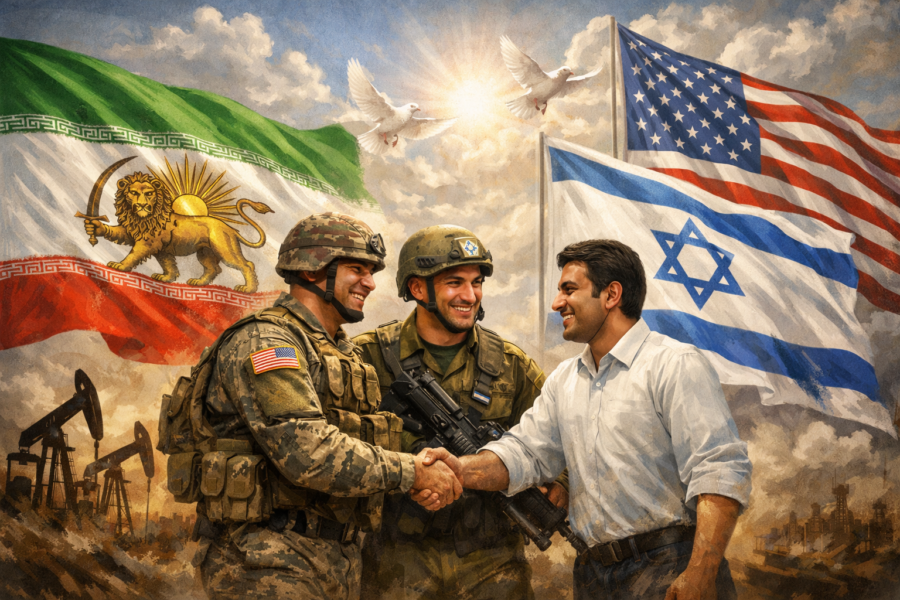
And to those who have ever stood with the Iranian people, through words, pressure, advocacy, or real support, many Iranians will remember 45th and 47th President of United States of America, President Donald J. Trump.
God bless President Trump. God bless the United States of America. And to the American people: thank you for standing with those who cannot speak freely. Please keep supporting the Iranian people’s fight for freedom, history will remember who helped when it mattered most.
Because for us, this is not politics.
It is life.